15 Days
Tsum Vallery Trek Via Mamche Pass
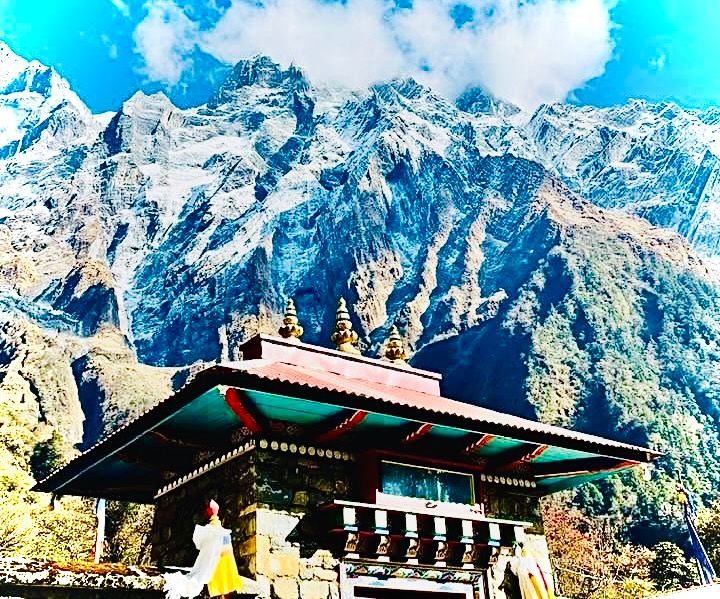
The Tsum Valley Trek is a culturally rich and scenic journey into one of Nepal's most secluded Himalayan valleys. Nestled in the northern Gorkha region near the Tibetan border, this trek offers an immersive experience of Tibetan Buddhist culture, remote monasteries, traditional stone-built villages, and pristine landscapes. Known as the "Hidden Valley," Tsum was restricted to outsiders until 2008, preserving its authentic traditions and untouched beauty. Trekkers pass through beautiful forests, deep gorges and ancient trails with panoramic views of Ganesh Himal, Sringi Himal and Boudha Himal making it a unique and spiritually rewarding adventure.
18
Minimum Age
Manaslu
Location
$1450.00
Per Person
Overview
The Tsum Valley Trek is a spiritually enriching and visually stunning journey through one of Nepal's most sacred hidden valleys, tucked away in the remote northern part of the Gorkha district. The valley lies within the Manaslu Conservation Area and was opened to trekkers only in 2008. Known as "Beyul Kyimolung" in Tibetan, meaning "The Hidden valley of Happiness," Tsum Valley has long been a place of meditation, refuge, and ancient tradition.
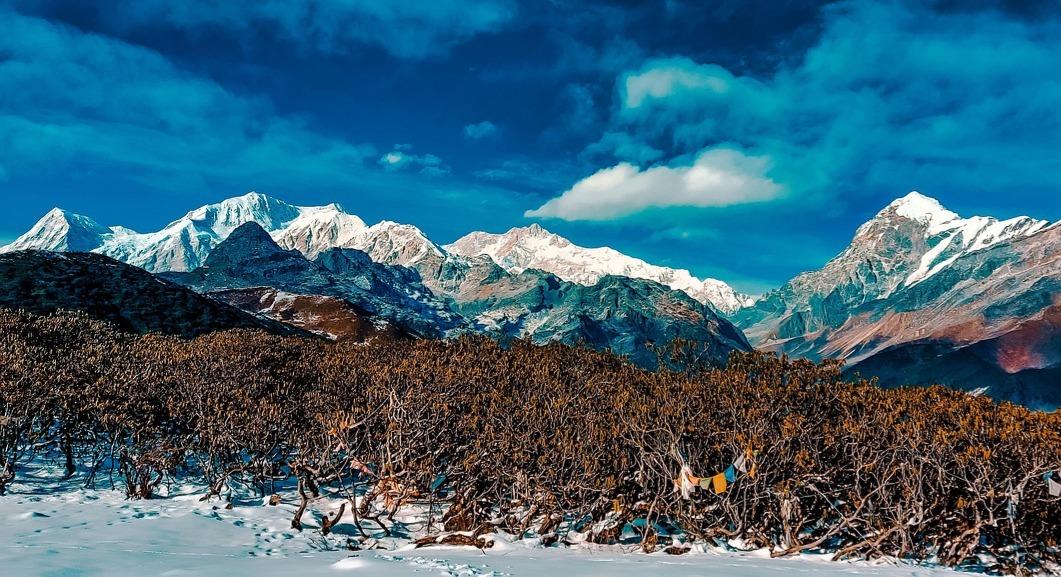
Unlike more commercialized trekking routes, Tsum Valley offers a peaceful, unspoiled experience-with traditional villages, timeless Buddhist culture and breathtaking views of the Himalayan giants such as Ganesh Himal(7,422m), Sringi Himal(7,187m) and Boudha Himal(6,672m).
Cultural And Religious Significance
Tsum Valley is predominantly inhabited by Tsumbas, an indigenous ethnic group of Tibetan origin. Their culture, language, and dress reflect centuries of isolation and deep spiritual devotion. The valley is deeply rooted in Tibetan Buddhism and its landscape is dotted with ancient monasteries, mani walls, prayer flags and chortens.
Trekking Experience
The begins with a scenic drive from Kathmandu to Barpak or Mchhakhola, followed by several days of trekking through the lower Manaslu region before turning into the hidden folds of Tsum Valley. As you ascend through diverse terrains-from lush subtropical forests and river valleys to alpine meadows and glacier-fed streams-you witness a gradual cultural shift from Hindu-dominated lowlands to Tibetan Buddhist highlands. You pass through traditional villages like: Lokpa; the gateway into Tsum Valley, Chumling, Chhokangparo, Chhole Nile, Lamagoan, Mu Gompa and Rachen Gompa.
Scenery and Nature
The valley is a protected part of the Manaslu Conservation Area(MCAP), known for its rich biodiversity. You'll encounter:
- Rhododendron forests(blooming in spring)
- Pine and oak woodlands
- Wildlife such as Himalayan tahr, blue sheep, marmots, pikas and occasionally red pandas.
- High mountain rivers like the Syar Khola and dramatic cliffs and gorges
Trek Difficulty and Logistics
The Tsum Valley trek is considered moderate in difficulty. There are no high passes to cross(highest point is Mu Goma at 3,700m), making it suitable for trekkers with average fitness. However, the remote location means:
- Limited access to modern amenities.
- Teahouse accommodation with basic facilities.
- Occasional long trekking hours(5-7 hours per day)
Cultural Etiquette and Preservation
As you enter the sacred valley, you're expected to respect local customs:
- Walk clockwise around chortens and mani walls.
- Avoid consuming meat(locals follow a vegetarian lifestyle due to spiritual beliefs)
- Ask permission before photographing people or sacred sites.
Trip Details
Trip Duration
15 days
Max Altitude
4300 m
Trip Difficulty
Moderate
Accommodation
Hotel and teahouses
Best Season
Autumn(September-November) and Spring(March-May)
Meals
Included
Nearest Airport
Tribhuvan International Airport, Kathmandu
Local Transport
Road transportation; bus, car, jeep, donkey, horses
Tsum Vallery Trek Via Mamche Pass
Day 1
Arrival In Kathmandu(1350m)
One of our team will be waiting you to welcome in the land of mountains with garland of marigold flowers at the Tribhuvan International Airport in Kathmandu and transfer to hotel by a private vehicle, meet your trek guide, will have a trek briefing, preparation for the trek. Explore: Thamel's vibrant streets, traditional markets, visit Boudhanath/Swayambhunath if you arrived in time. Vibe: Buzzing cultural atmosphere, pre-trek excitement. Overnight at a 3 star hotel at Thamel in Kathmandu.
Day 2
Drive From Kathmandu To Barpak(1,900m)
Drive Distance: 200 km. Drive Duration: 8-9 hrs. Elevation Gain: +550m Your journey begins early in the morning as you leave the busy streets of Kathmandu behind and head west toward the historic region of Gorkha . As the city fades away, the drive gradually opens into peaceful countryside, where you'll pass terrace farmlands, flowing rivers and traditional Nepali villages nestle along the hillsides . Following the Trishuli River , you'll enjoy beautiful views of green valleys and rolling hills with occasional glimpses of snow-capped peaks in the distance on clear days. The road winds through small market towns where daily rural life unfolds - farmers carrying baskets, roadside tea shops and colorful local buses adding character to the journey . After reaching Gorkha Bazaar , the road begins to climb steadily toward the highlights. The scenery becomes more dramatic as you drive through dense forests, deep gorges and quiet settlements far removed from the tourist trail. The air feels cooler and fresher as you gain altitude and the sense of entering a remote Himalayan region becomes unmistakable. The final strech to Barpak Village is both adventurous and rewarding. The road ascends along narrow mountain ridges , offering sweeping views of surrounding hills and valleys. As you approach Barpak , you'll notice traditional stone houses with slate roofs somewhere, colorful prayer flags and smiling locals - a sign that you've reached one of the most authentic villages in the region. Upon arrival, you'll find yourself in Barpak, a historic Gurung and Ghale village known as the birthplace of Nepal's Gorkha soldiers and for its strong culture heritage . The village is beautifully set on a ridge with panoramic views of the Buddha Himal(6,672m) and Himalchuli(7,893m) ranges. After checking into your local lodge or homestay, you can take a gentle walk through the village, interact with friendly villagers and witness traditional Gurung and Ghale lives firsthand. As evening falls, the mountains glow softly in the fading light and the peaceful atmosphere prepares you for the trekking adventure ahead - whether toward Laprak, Manaslu Circuit or Tsum Valley .
Day 3
Trek From Barpak Village to To Laprak Village(2,200m) Via Mamche Pass(2,910m).
Trek Distance: 9 km. Trek Duration: 5-6 hrs. Elevation Gain: +300m. in Laprak and +1,010m. on the top of Mamche Pass You leave Barpak , the hillside Gurung and Ghale village famous for its resilience and stone-roofed houses , with the white summit of Boudha Himal(6,672m) gleaming above you. The trail reses gently at first through some terraced fields and slope hills, where local people greet you with a smile as they walking on the trail. As you climb higher, you step into cool forests of rhododendron and others. The air grows fresher and birdsong fills the silence. After a steady uphill push, you arrive at the broad ridge of Mamche Danda(2,850m) . Here, you pause to have a cup of hot drinks, where the world opens in all directions: to the north, the snow giants of Boudha Himal(6,672m), Himalchuli(7,893m), Sringi Himal(7,187m), Ganesh Himal range(Chamar-7,100m, Ganesh Nw-7,118m, Yangra-7,422m, Pabil-7,104m, Salasungo-7,043m) and Langtang Lirung(7,227m) rise in crystal clarity; to the south, rolling mid-hills stretch endlessly into the horizon. It feels as though you are standing on a natural balcony above the Himalayas. From Mamche after walking 20 minutes straight beside the weaving down through meadows, shepherd huts and whispering forests. the trail drops steeply and you'll pass the new Laprak village at Gupsipakha (settled after the Earthquake-2015) . Having a lunch at the new village, your trek will continue down to old Laprak village . You'll see Laprak spread out across a s loping hillside-a patchwork of stone houses, prayer flags and terraced fields glowing golden in the afternoon sun. By the time you step into the narrow stone lanes of Laprak(2,200m) , children run to greet you, and smoke rises from kitchen hearths. You feel as though you've entered a timeless Gurung settlement, where tradition and nature live in perfect balance.
Day 4
Trek From Laprak Village To Khorlabesi(970m)
Trek Distance: 16 km. Trek Duration: 6-7 hrs. Elevation Loss: -1,230m. Your trek begins leaving the traditional Gurung village of Laprak , walking through stone lanes and terraced fields that glow in the morning light. The trail first descend downwards to Jerbu river then after crossing a suspension bridge over the river the trail steadily begins to ascend till Singla village(Ganesh Himal Range will be very closed to you) and down to Khorla village and Khorlabesi . As you descend, the sound of the Budhi Gandaki River grows louder below, echoing through the gorge. You pass small settlements and fields of maize and millet, meeting villagers carrying baskets or leading mules along the trail. The path takes you down into subtropical forest , where you cross streams and walk beneath bamboo groves. You can feel the change in climate as the air grows warmer and more humid. The trail undulates-steep drops followed by short climbs- testing your knees and stamina . Finally, you reach the river and follow it downstream until you arrive at Khorlabesi(970m) , a lively riverside village. Here, the temperature feels warmer and you're back among banana trees, cardamom gardens and the chatter of locals. Overnight at a lodge at Khorla Besi by the side of Budhi Gandaki river.
Day 5
Trek From Khorlabesi To Jagat(1,340m)
Trek Distance: 13 km. Trek Duration: 5-6 hrs. Elevation Gain: + 370m. After having your breakfast the trek starts walking along the Budhi Gandaki River as the valley narrows into a gorge. The trail rises and falls, winding through forested hillsides and rocky paths. Before long, you reach Tatopani-990m(Natural hot spring) , bubble beside the trail. You may stop for a quick soak or simply enjoy the steam rising from the riverbank. From Tatopani, you will be walking along the road till beside Dobhan(1,070m) , From where you cross a suspension bridge to reach Dobhan-a small settlement where mule trains often pass, avoid the edge during their passing. The sound of their bells mixes with the rushing river as you continue along the trail. The path then leads through forest and cliffs, sometimes carved directly into rock , offering dramatic views of waterfalls tumbling into the gorge below. As you walk, you feel the atmosphere shift-the valley becomes wilder and more remote. The final stretch is a steady climb on stone staircases until you arrive at Jagat(1,340m) , a beautifully paved stone village perched on a ridge above the Budhi Gandaki. This is also the official entry checkpoint for the Manaslu Conservation Area(MCAP) , Where you register your permits. Overnight at a lodge in Jagat.
Day 6
Trek From Jagat To Lokpa(2,240m)
Trek Distance: 10 km. Trek Duration: 5-6 hrs. Elevation Gain: +900m. Today, you leave the stone-paved village of Jagat, officially entering the restricted Manaslu region and begin a culturally rich ascent toward Lokpa , the first village of the sacred Tsum Valley . The trail initially follows the Buddhi Gandaki River, crossing suspension bridges and passing through narrow gorges carved deep into the mountainside. Soon after Jagat, you cross the river and start climbing steadily through lush forests of pine, rhododendron and bamboo . The trail winds along steep hillsides with dramatic views of the river far below, giving you a true sense of Himalayan adventure. Prayer flags, mani walls and chortens begin to appear, signaling your gradual transition into a more Tibetan Buddhist cultural landscape . As you gain elevation, the path becomes quieter and more spiritual. You walk beneath cliffs and through serene forest sections where the sound of rushing water fades into birdsong and mountain silence . The climb is steady but rewarding, allowing you to acclimatize naturally as you ascend. After several hours of trekking, you reach Lokpa , a peaceful village perched high above the Budhi Gandaki gorge . From here, you are rewarded with breathtaking views of Ganesh Himal, Sringi Himal(7,187m) and surrounding snow-capped peaks on clear days. Lokpa feels remote, timeless and deeply spiritual - an ideal introduction to the hidden valley of Tsum . This day marks a significant shift in both landscape and culture, as you officially step away from the main Manaslu and enter the isolated and sacred world of the Tsum Valley .
Day 7
Trek From Lokpa To Chhokang Paro(3,010m)
Trek Distance: 10 km. Trek Duration: 5-6 hrs. Elevation Gain: +770m. Today, you leave the peaceful village of Lokpa and begin a rewarding journey deeper into the Upper Tsum Valley . The trail starts with a gentle descent through forested slopes before crossing the Shyar Khola on a suspension bridge adorned with prayer flags . From here, the path gradually climbs, taking you steadily higher into a more alpine and spiritual landscape . As you ascend, you walk through pine, juniper and rhododendron forests , with the valley opening wider around you. Snow-capped peaks such as Ganesh Himal and Sringi Himal begin to dominate the skyline, offering breathtaking mountain scenery throughout the day. You pass several mani walls, chortens and ancient monasteries , highlighting the strong Tibetan Buddhist influence of the region . The trail feels quiet and remote, broken only by the fluttering of prayer flags and the distant sound of yak bells, creating a deeply meditative trekking experience. The route includes a series of steady climbs and gentle traverses, allowing you to acclimatize naturally as you gain altitude. As you approach Chhokang Paro , the valley broadens into fertile farmlands, where barley fields a nd stone houses reflect a centuries-old way of life . You arrive at Chhokang Paro , a twin village settlement made up of Chhokang and Paro , beautifully set beneath towering Himalayan peaks . From here, you enjoy panoramic views of Ganesh Himal(7,400m), Himalchuli(7,893m) and Buddha Himal(6,672m) . The village is home to important monasteries and offers a warm welcome, making it an ideal place to rest and immerse yourself in the spiritual heart of the Tsum Valley . This Day represents a significant step both culturally and physically , marking your transition into the higher and more sacred reaches of the valley.
Day 8
Trek From Chhokang Paro To Nile(3,361m)
Trek Distance: 6 km. Trek Duration: 3 - 4 hrs. Elevation Gain: +351m. Today, you trek deeper into the sacred Upper Tsum Valley , walking from Chhokang Paro to Nile along a wide and peaceful alpine trail. Shortly after leaving Chhokang Paro, you reach one of the most spiritually significant sites of the valley - Milarepa Cave . Milarepa Cave is located just above the trail, on the left side of vibrant Lamagaon, a short uphill walk from Lamagaon between Chhokang Paro and Nile . According to local belief, the great Tibetan yogi Milarepa meditated here during the 11th century. Inside the cave, you can see a sacred imprint believed to be Milarepa's footprint on the rock, making this site deeply revered by pilgrims and trekkers alike. After visiting the cave, you continue your journey following the Shyar Khola , gradually ascending through an open valley surrounded by towering Himalayan peaks. Ganesh Himal, Buddha Himal and Himalchuli dominate the skyline, while prayer flags, mani walls and chortens line the trail, reinforcing the valley's strong Tibetan Buddhist identity. The walk is gentle and unhurried, allowing you to acclimatize comfortably while enjoying the serene surroundings. Along the way, you may encounter monks, nuns, yak herders and local villagers offering a rare glimpse into the traditional and spiritual lifestyle of the Tsumba people . As you approach Nile, cultivated barley fields and stone houses appear against the stark alpine backdrop. Nestled beneath dramatic mountain scenery, Nile serves as the last permanent settlement of the Upper Tsum Valley , Making it an ideal place to rest and reflect before continuing toward Mu Gumpa or Renjam. This day blends spiritual discovery, cultural immersion and gentle Himalayan trekking , making it one of the most meaningful sections of the Tsum Valley journey.
Day 9
Hike To Mu Gompa(3,700m) and Return to Nile
Trek Distance: 9 km. (round trip) Trek Duration: 5-6 hrs.(round trip) Elevation Gain: +339m.(at Mu Gompa) Today, you walk toward the highest and most sacred destination of the Upper Tsum Valley , trekking from Nile to Mu Gompa . The Trail is short, scenic and spiritually enriching, making it one of the most memorable days of the journey. Leaving Nile, you follow the Shyar Khola upstream through a broad, open alpine valley. The landscape feels vast and untouched with towering snow-capped peaks surrounding you on all sides. The trail is gentle and gradual, allowing you to walk comfortably while continuing to acclimatize. About halfway along the route, you pass Dephu Doma Gompa , which is l ocated on the left side of the trail , slightly above the valley floor. This ancient monastery holds deep spiritual significance and offers a peaceful place to pause, reflect and admire the surrounding Himalayan scenery. As you continue higher, the valley becomes more stark and dramatic, with fewer trees and a stronger sense of isolation. Mani walls, prayer flags and stone structures continue to mark the trail, reinforcing the deep Tibetan Buddhist traditions of the region. You may encounter monks, nuns or yak caravans moving quietly through the valley. Soon, Mu Gompa comes into view, perched beneath massive Himalayan peaks near the Tibetan border. As the highest monastery in the Tsum Valley , Mu Gompa serves as an important center for learning, meditation and spiritual practice. The atmosphere here is calm, powerful and deeply sacred. You arrive at Mu Gompa by early afternoon, giving you time to explore the monastery, interact with resident monks and enjoy panoramic views of the surrounding mountains. The sense of remoteness and spiritual energy makes this a truly special place to rest and reflect. This day represents the spiritual climax of the Tsum Valley trek , combining gentle trekking, sacred landmarks and profound Himalayan solitude.
Day 10
Trek From Nile To Renjam(2,440m)
Trek Distance: Approx. 14 km. Trek Duration: 5-6 hrs. Elevation Gain: - 1,120m. Today, you descend from the high settlement of Nile , beginning a peaceful walk toward Renjam(Dumje) through the sacred landscapes of the Upper Tsum Valley . The trail follows the Shyar Khola downstream and offers an easy, scenic walk with wide mountain views. Shortly after leaving Nile, you reach Rajen(Rachen) Gompa , located on the valley floor beside the main trail , making it a natural and meaningful stop on your journey. This renowned nunnery is one of the most important spiritual centers in the Tsum Valley and is home to resident Buddhist nuns. The atmosphere here is is calm and deeply spiritual, with prayer flags, mani walls and ancient stone structures surrounding the monastery. After visiting Rajen Gompa , you continue descending through open alpine terrain, passing chortens, prayer wheels and seasonal yak pastures . The valley gradually narrows and the air feels warmer as you lose altitude. Along the way, you may meet monks, nuns and local villagers travelling between settlements, offering a glimpse into the traditional and spiritual rhythm of Tsumba life . Snow-capped peaks such as Ganesh Himal and Buddha Himal remain visible above the valley, creating a dramatic backdrop for your walk. As you approach Renjam(Dumje) , cultivated fields and stone houses appear, signaling your return toward the lower settlements of the Tsum Valley. Renjam is culturally significant, especially during the Dumje Festival , when villagers gather for masked dances and Buddhist rituals honoring Guru Rinpoche . You arrive in Renjam by afternoon, with time to relax and enjoy the peaceful village setting after a culturally rich day. This day blends gentle trekking, sacred landmarks and cultural depth , making it one of the most meaningful descents of the Tsum Valley trek.
Day 11
Hike To Gompa Lungdang(3,200m) And Return To Ripche(2,470m)
Trek Distance: 12 km.(round trip) Trek Duration: 6-7 hrs. Elevation Gain/Loss: +730m ascent/ -730m descent. Start early in the morning from Renjam , descending briefly to Dumje(2,400m) , a small peaceful village nestled in forested terrain, home to a few homestays and a trail junction. From Dumje, begin a steep uphill climb through dense pine and rhododendron forest-the ascent is steady and demanding but incredibly scenic. After 2.5-3 hours, you'll reach Gompa Lungdang, a 100+ year-old remote nunnery perched dramatically on a ridge overlooking the Ganesh Himal Range . Here, a round 40-50 nuns live and practice in isolation. They welcome respectfully the visitors. It's a deeply spiritual place where you can observe meditation, butter lamp rituals and Tibetan Buddhist chants in the main prayer hall . After spending time exploring the monastery and enjoying a simple lunch, you begin your descent back to Ripche along the same trail. Walking downhill through forested slopes and open clearings , you return to the valley by late afternoon. This hike is one of the most meaningful cultural and spiritual highlights of the Tsum Valley trek , combining physical challenge, sacred heritage and profound Himalayan solitude.
Day 12
Trek From Ripche To Salleri(1,350m)
Trek Distance: 14 km. Trek Duration: 5-6 hrs. Elevation Loss: -1120m. Today, you leave the peaceful village of Ripche and begin a long descent toward Salleri , gradually exiting the sacred landscapes of the Tsum Valley . This is a physically demanding but scenic day, marked by significant altitude loss and dramatic changes in vegetation . The trail initially descends through pine and rhododendron forests , with narrow hillside paths offering views into deep river gorges below. As you continue downhill, you cross suspension bridges and pass small seasonal settlements used by local farmers and herders. Mani walls, chortens and prayer flags continue to line the trail, reminding you of the valley's strong Tibetan Buddhist heritage . You may encounter monks, villagers and mule caravans travelling between upper and lower Tsum , adding life and movement to the remote landscape. As you lose altitude, the air becomes warmer and the vegetation turns lush and subtropical. Bamboo groves, ferns and broadleaf trees replace alpine flora , signaling your approach to the lower Budhi Gandaki region . After several hours of steady descent with occasional short climbs, you reach Salleri , a small settlement near the Budhi Gandaki River . The village provides a welcome rest stop with basic teahouses and peaceful riverside atmosphere after a long trekking day. This trek marks a clear transition from the high, spiritual Tsum Valley back toward the main Manaslu Circuit , blending endurance, natural beauty and culturally continuity.
Day 13
Trek From Salleri To Machhakhola(930m)
Trek Distance: approx. 11 km. Trek Duration: 5-6 hrs. Elevation Loss: -420m. Today, you continue descending from Salleri toward Machhakhola , following the rugged trail that leads you back into the heart of the Budhi Gandaki valley . The walk is relatively moderate in length but varied in terrain, offering a mix of forest paths, river crossings and traditional villages . Leaving Salleri, you descend through lush subtropical forests filled with bamboo, banana plants and broad-leaf trees . The trail often hugs the mountainside, providing occasional views down into deep gorge carved by the Budhi Gandaki River . Along the way, you cross suspension bridges and pass small settlements where locals farm terraced fields and tend livestock. You may encounter porters and mule caravans , reminding you that this route serves as a vital connection between remote mountain communities. As you approach Machha Khola , the sound of the river grows louder and the trail becomes busier with trekkers rejoining the main Manaslu Circuit route . The climate feels noticeably warmer and the landscape greener, marking a clear contrast from the high valleys of Tsum. You arrive at Machha Khola , a lively riverside village with several teahouses and shops. After days in remote settlements, Machha Khola feels energetic and welcoming - a perfect place to rest, refresh and reflect on your journey through the sacred Tsum Valley. This day completes your gradual descent from the remote upper valleys back to the main trekking corridor , blending comfort, culture and changing scenery.
Day 14
Drive From Machhakhola To Kathmandu(1,350m)
Drive Distance: 170 km Trek Duration: 7 - 8 hrs. Elevation Gain: +420m. Today, you conclude your Himalayan adventure with a scenic overland drive from Machha Khola to Kathmandu . Leaving the Budhi Gandaki valley behind, you follow rough mountain roads that gradually transition into paved highways as you move closer to the capital. The drive begins along winding dirt and gravel roads, passing through river gorges, terraced hillsides and traditional rural villages . You follow the course of the Budhi Gandaki and later connect with Prithvi Highway , Nepal's main roadway linking western regions with Kathmandu. As you travel, you enjoy changing landscapes - from remote hills and farmland to bustling towns and roadside markets. Short stops along the way allow you to stretch, enjoy local tea and feflect on your trekking journey through the Tsum Valley and Manaslu region . Approaching Kathmandu, traffic increases and the scenery shifts to urban life. You arrive in the capital by late afternoon or evening, where modern comforts, hotels and restaurants welcome you after days in the remote Himalayas. This drive marks the official end of your trek , offering a final opportunity to appreciate Nepal's diverse landscapes - from high sacred valleys to vibrant city life.
Day 15
Departure, Fly Back To Home Country.
Farewell to Nepal, you'll be transferred by a private vehicle to Tribhuvan International Airport(TIA) for your flight before 2-3hrs(international flight can be busy), Guides or GMA may assist you to arrange. If you have more time before your flight you can have a sightseeing tour for UNESCO world heritage sites : Patan Durbar Square (for ancient architecture) Swayambhhunath/Monkey Temple (for final panoramic views of Kathmandu) Boudhanath Stupa (for peaceful closure to your Himalayan journey) Thank you very much for being with us, Namaste.
Day 1
Arrival In Kathmandu(1350m)
One of our team will be waiting you to welcome in the land of mountains with garland of marigold flowers at the Tribhuvan International Airport in Kathmandu and transfer to hotel by a private vehicle, meet your trek guide, will have a trek briefing, preparation for the trek. Explore: Thamel's vibrant streets, traditional markets, visit Boudhanath/Swayambhunath if you arrived in time. Vibe: Buzzing cultural atmosphere, pre-trek excitement. Overnight at a 3 star hotel at Thamel in Kathmandu.
Day 2
Drive From Kathmandu To Barpak(1,900m)
Drive Distance: 200 km. Drive Duration: 8-9 hrs. Elevation Gain: +550m Your journey begins early in the morning as you leave the busy streets of Kathmandu behind and head west toward the historic region of Gorkha . As the city fades away, the drive gradually opens into peaceful countryside, where you'll pass terrace farmlands, flowing rivers and traditional Nepali villages nestle along the hillsides . Following the Trishuli River , you'll enjoy beautiful views of green valleys and rolling hills with occasional glimpses of snow-capped peaks in the distance on clear days. The road winds through small market towns where daily rural life unfolds - farmers carrying baskets, roadside tea shops and colorful local buses adding character to the journey . After reaching Gorkha Bazaar , the road begins to climb steadily toward the highlights. The scenery becomes more dramatic as you drive through dense forests, deep gorges and quiet settlements far removed from the tourist trail. The air feels cooler and fresher as you gain altitude and the sense of entering a remote Himalayan region becomes unmistakable. The final strech to Barpak Village is both adventurous and rewarding. The road ascends along narrow mountain ridges , offering sweeping views of surrounding hills and valleys. As you approach Barpak , you'll notice traditional stone houses with slate roofs somewhere, colorful prayer flags and smiling locals - a sign that you've reached one of the most authentic villages in the region. Upon arrival, you'll find yourself in Barpak, a historic Gurung and Ghale village known as the birthplace of Nepal's Gorkha soldiers and for its strong culture heritage . The village is beautifully set on a ridge with panoramic views of the Buddha Himal(6,672m) and Himalchuli(7,893m) ranges. After checking into your local lodge or homestay, you can take a gentle walk through the village, interact with friendly villagers and witness traditional Gurung and Ghale lives firsthand. As evening falls, the mountains glow softly in the fading light and the peaceful atmosphere prepares you for the trekking adventure ahead - whether toward Laprak, Manaslu Circuit or Tsum Valley .
Day 3
Trek From Barpak Village to To Laprak Village(2,200m) Via Mamche Pass(2,910m).
Trek Distance: 9 km. Trek Duration: 5-6 hrs. Elevation Gain: +300m. in Laprak and +1,010m. on the top of Mamche Pass You leave Barpak , the hillside Gurung and Ghale village famous for its resilience and stone-roofed houses , with the white summit of Boudha Himal(6,672m) gleaming above you. The trail reses gently at first through some terraced fields and slope hills, where local people greet you with a smile as they walking on the trail. As you climb higher, you step into cool forests of rhododendron and others. The air grows fresher and birdsong fills the silence. After a steady uphill push, you arrive at the broad ridge of Mamche Danda(2,850m) . Here, you pause to have a cup of hot drinks, where the world opens in all directions: to the north, the snow giants of Boudha Himal(6,672m), Himalchuli(7,893m), Sringi Himal(7,187m), Ganesh Himal range(Chamar-7,100m, Ganesh Nw-7,118m, Yangra-7,422m, Pabil-7,104m, Salasungo-7,043m) and Langtang Lirung(7,227m) rise in crystal clarity; to the south, rolling mid-hills stretch endlessly into the horizon. It feels as though you are standing on a natural balcony above the Himalayas. From Mamche after walking 20 minutes straight beside the weaving down through meadows, shepherd huts and whispering forests. the trail drops steeply and you'll pass the new Laprak village at Gupsipakha (settled after the Earthquake-2015) . Having a lunch at the new village, your trek will continue down to old Laprak village . You'll see Laprak spread out across a s loping hillside-a patchwork of stone houses, prayer flags and terraced fields glowing golden in the afternoon sun. By the time you step into the narrow stone lanes of Laprak(2,200m) , children run to greet you, and smoke rises from kitchen hearths. You feel as though you've entered a timeless Gurung settlement, where tradition and nature live in perfect balance.
Day 4
Trek From Laprak Village To Khorlabesi(970m)
Trek Distance: 16 km. Trek Duration: 6-7 hrs. Elevation Loss: -1,230m. Your trek begins leaving the traditional Gurung village of Laprak , walking through stone lanes and terraced fields that glow in the morning light. The trail first descend downwards to Jerbu river then after crossing a suspension bridge over the river the trail steadily begins to ascend till Singla village(Ganesh Himal Range will be very closed to you) and down to Khorla village and Khorlabesi . As you descend, the sound of the Budhi Gandaki River grows louder below, echoing through the gorge. You pass small settlements and fields of maize and millet, meeting villagers carrying baskets or leading mules along the trail. The path takes you down into subtropical forest , where you cross streams and walk beneath bamboo groves. You can feel the change in climate as the air grows warmer and more humid. The trail undulates-steep drops followed by short climbs- testing your knees and stamina . Finally, you reach the river and follow it downstream until you arrive at Khorlabesi(970m) , a lively riverside village. Here, the temperature feels warmer and you're back among banana trees, cardamom gardens and the chatter of locals. Overnight at a lodge at Khorla Besi by the side of Budhi Gandaki river.
Day 5
Trek From Khorlabesi To Jagat(1,340m)
Trek Distance: 13 km. Trek Duration: 5-6 hrs. Elevation Gain: + 370m. After having your breakfast the trek starts walking along the Budhi Gandaki River as the valley narrows into a gorge. The trail rises and falls, winding through forested hillsides and rocky paths. Before long, you reach Tatopani-990m(Natural hot spring) , bubble beside the trail. You may stop for a quick soak or simply enjoy the steam rising from the riverbank. From Tatopani, you will be walking along the road till beside Dobhan(1,070m) , From where you cross a suspension bridge to reach Dobhan-a small settlement where mule trains often pass, avoid the edge during their passing. The sound of their bells mixes with the rushing river as you continue along the trail. The path then leads through forest and cliffs, sometimes carved directly into rock , offering dramatic views of waterfalls tumbling into the gorge below. As you walk, you feel the atmosphere shift-the valley becomes wilder and more remote. The final stretch is a steady climb on stone staircases until you arrive at Jagat(1,340m) , a beautifully paved stone village perched on a ridge above the Budhi Gandaki. This is also the official entry checkpoint for the Manaslu Conservation Area(MCAP) , Where you register your permits. Overnight at a lodge in Jagat.
Day 6
Trek From Jagat To Lokpa(2,240m)
Trek Distance: 10 km. Trek Duration: 5-6 hrs. Elevation Gain: +900m. Today, you leave the stone-paved village of Jagat, officially entering the restricted Manaslu region and begin a culturally rich ascent toward Lokpa , the first village of the sacred Tsum Valley . The trail initially follows the Buddhi Gandaki River, crossing suspension bridges and passing through narrow gorges carved deep into the mountainside. Soon after Jagat, you cross the river and start climbing steadily through lush forests of pine, rhododendron and bamboo . The trail winds along steep hillsides with dramatic views of the river far below, giving you a true sense of Himalayan adventure. Prayer flags, mani walls and chortens begin to appear, signaling your gradual transition into a more Tibetan Buddhist cultural landscape . As you gain elevation, the path becomes quieter and more spiritual. You walk beneath cliffs and through serene forest sections where the sound of rushing water fades into birdsong and mountain silence . The climb is steady but rewarding, allowing you to acclimatize naturally as you ascend. After several hours of trekking, you reach Lokpa , a peaceful village perched high above the Budhi Gandaki gorge . From here, you are rewarded with breathtaking views of Ganesh Himal, Sringi Himal(7,187m) and surrounding snow-capped peaks on clear days. Lokpa feels remote, timeless and deeply spiritual - an ideal introduction to the hidden valley of Tsum . This day marks a significant shift in both landscape and culture, as you officially step away from the main Manaslu and enter the isolated and sacred world of the Tsum Valley .
Day 7
Trek From Lokpa To Chhokang Paro(3,010m)
Trek Distance: 10 km. Trek Duration: 5-6 hrs. Elevation Gain: +770m. Today, you leave the peaceful village of Lokpa and begin a rewarding journey deeper into the Upper Tsum Valley . The trail starts with a gentle descent through forested slopes before crossing the Shyar Khola on a suspension bridge adorned with prayer flags . From here, the path gradually climbs, taking you steadily higher into a more alpine and spiritual landscape . As you ascend, you walk through pine, juniper and rhododendron forests , with the valley opening wider around you. Snow-capped peaks such as Ganesh Himal and Sringi Himal begin to dominate the skyline, offering breathtaking mountain scenery throughout the day. You pass several mani walls, chortens and ancient monasteries , highlighting the strong Tibetan Buddhist influence of the region . The trail feels quiet and remote, broken only by the fluttering of prayer flags and the distant sound of yak bells, creating a deeply meditative trekking experience. The route includes a series of steady climbs and gentle traverses, allowing you to acclimatize naturally as you gain altitude. As you approach Chhokang Paro , the valley broadens into fertile farmlands, where barley fields a nd stone houses reflect a centuries-old way of life . You arrive at Chhokang Paro , a twin village settlement made up of Chhokang and Paro , beautifully set beneath towering Himalayan peaks . From here, you enjoy panoramic views of Ganesh Himal(7,400m), Himalchuli(7,893m) and Buddha Himal(6,672m) . The village is home to important monasteries and offers a warm welcome, making it an ideal place to rest and immerse yourself in the spiritual heart of the Tsum Valley . This Day represents a significant step both culturally and physically , marking your transition into the higher and more sacred reaches of the valley.
Day 8
Trek From Chhokang Paro To Nile(3,361m)
Trek Distance: 6 km. Trek Duration: 3 - 4 hrs. Elevation Gain: +351m. Today, you trek deeper into the sacred Upper Tsum Valley , walking from Chhokang Paro to Nile along a wide and peaceful alpine trail. Shortly after leaving Chhokang Paro, you reach one of the most spiritually significant sites of the valley - Milarepa Cave . Milarepa Cave is located just above the trail, on the left side of vibrant Lamagaon, a short uphill walk from Lamagaon between Chhokang Paro and Nile . According to local belief, the great Tibetan yogi Milarepa meditated here during the 11th century. Inside the cave, you can see a sacred imprint believed to be Milarepa's footprint on the rock, making this site deeply revered by pilgrims and trekkers alike. After visiting the cave, you continue your journey following the Shyar Khola , gradually ascending through an open valley surrounded by towering Himalayan peaks. Ganesh Himal, Buddha Himal and Himalchuli dominate the skyline, while prayer flags, mani walls and chortens line the trail, reinforcing the valley's strong Tibetan Buddhist identity. The walk is gentle and unhurried, allowing you to acclimatize comfortably while enjoying the serene surroundings. Along the way, you may encounter monks, nuns, yak herders and local villagers offering a rare glimpse into the traditional and spiritual lifestyle of the Tsumba people . As you approach Nile, cultivated barley fields and stone houses appear against the stark alpine backdrop. Nestled beneath dramatic mountain scenery, Nile serves as the last permanent settlement of the Upper Tsum Valley , Making it an ideal place to rest and reflect before continuing toward Mu Gumpa or Renjam. This day blends spiritual discovery, cultural immersion and gentle Himalayan trekking , making it one of the most meaningful sections of the Tsum Valley journey.
Day 9
Hike To Mu Gompa(3,700m) and Return to Nile
Trek Distance: 9 km. (round trip) Trek Duration: 5-6 hrs.(round trip) Elevation Gain: +339m.(at Mu Gompa) Today, you walk toward the highest and most sacred destination of the Upper Tsum Valley , trekking from Nile to Mu Gompa . The Trail is short, scenic and spiritually enriching, making it one of the most memorable days of the journey. Leaving Nile, you follow the Shyar Khola upstream through a broad, open alpine valley. The landscape feels vast and untouched with towering snow-capped peaks surrounding you on all sides. The trail is gentle and gradual, allowing you to walk comfortably while continuing to acclimatize. About halfway along the route, you pass Dephu Doma Gompa , which is l ocated on the left side of the trail , slightly above the valley floor. This ancient monastery holds deep spiritual significance and offers a peaceful place to pause, reflect and admire the surrounding Himalayan scenery. As you continue higher, the valley becomes more stark and dramatic, with fewer trees and a stronger sense of isolation. Mani walls, prayer flags and stone structures continue to mark the trail, reinforcing the deep Tibetan Buddhist traditions of the region. You may encounter monks, nuns or yak caravans moving quietly through the valley. Soon, Mu Gompa comes into view, perched beneath massive Himalayan peaks near the Tibetan border. As the highest monastery in the Tsum Valley , Mu Gompa serves as an important center for learning, meditation and spiritual practice. The atmosphere here is calm, powerful and deeply sacred. You arrive at Mu Gompa by early afternoon, giving you time to explore the monastery, interact with resident monks and enjoy panoramic views of the surrounding mountains. The sense of remoteness and spiritual energy makes this a truly special place to rest and reflect. This day represents the spiritual climax of the Tsum Valley trek , combining gentle trekking, sacred landmarks and profound Himalayan solitude.
Day 10
Trek From Nile To Renjam(2,440m)
Trek Distance: Approx. 14 km. Trek Duration: 5-6 hrs. Elevation Gain: - 1,120m. Today, you descend from the high settlement of Nile , beginning a peaceful walk toward Renjam(Dumje) through the sacred landscapes of the Upper Tsum Valley . The trail follows the Shyar Khola downstream and offers an easy, scenic walk with wide mountain views. Shortly after leaving Nile, you reach Rajen(Rachen) Gompa , located on the valley floor beside the main trail , making it a natural and meaningful stop on your journey. This renowned nunnery is one of the most important spiritual centers in the Tsum Valley and is home to resident Buddhist nuns. The atmosphere here is is calm and deeply spiritual, with prayer flags, mani walls and ancient stone structures surrounding the monastery. After visiting Rajen Gompa , you continue descending through open alpine terrain, passing chortens, prayer wheels and seasonal yak pastures . The valley gradually narrows and the air feels warmer as you lose altitude. Along the way, you may meet monks, nuns and local villagers travelling between settlements, offering a glimpse into the traditional and spiritual rhythm of Tsumba life . Snow-capped peaks such as Ganesh Himal and Buddha Himal remain visible above the valley, creating a dramatic backdrop for your walk. As you approach Renjam(Dumje) , cultivated fields and stone houses appear, signaling your return toward the lower settlements of the Tsum Valley. Renjam is culturally significant, especially during the Dumje Festival , when villagers gather for masked dances and Buddhist rituals honoring Guru Rinpoche . You arrive in Renjam by afternoon, with time to relax and enjoy the peaceful village setting after a culturally rich day. This day blends gentle trekking, sacred landmarks and cultural depth , making it one of the most meaningful descents of the Tsum Valley trek.
Day 11
Hike To Gompa Lungdang(3,200m) And Return To Ripche(2,470m)
Trek Distance: 12 km.(round trip) Trek Duration: 6-7 hrs. Elevation Gain/Loss: +730m ascent/ -730m descent. Start early in the morning from Renjam , descending briefly to Dumje(2,400m) , a small peaceful village nestled in forested terrain, home to a few homestays and a trail junction. From Dumje, begin a steep uphill climb through dense pine and rhododendron forest-the ascent is steady and demanding but incredibly scenic. After 2.5-3 hours, you'll reach Gompa Lungdang, a 100+ year-old remote nunnery perched dramatically on a ridge overlooking the Ganesh Himal Range . Here, a round 40-50 nuns live and practice in isolation. They welcome respectfully the visitors. It's a deeply spiritual place where you can observe meditation, butter lamp rituals and Tibetan Buddhist chants in the main prayer hall . After spending time exploring the monastery and enjoying a simple lunch, you begin your descent back to Ripche along the same trail. Walking downhill through forested slopes and open clearings , you return to the valley by late afternoon. This hike is one of the most meaningful cultural and spiritual highlights of the Tsum Valley trek , combining physical challenge, sacred heritage and profound Himalayan solitude.
Day 12
Trek From Ripche To Salleri(1,350m)
Trek Distance: 14 km. Trek Duration: 5-6 hrs. Elevation Loss: -1120m. Today, you leave the peaceful village of Ripche and begin a long descent toward Salleri , gradually exiting the sacred landscapes of the Tsum Valley . This is a physically demanding but scenic day, marked by significant altitude loss and dramatic changes in vegetation . The trail initially descends through pine and rhododendron forests , with narrow hillside paths offering views into deep river gorges below. As you continue downhill, you cross suspension bridges and pass small seasonal settlements used by local farmers and herders. Mani walls, chortens and prayer flags continue to line the trail, reminding you of the valley's strong Tibetan Buddhist heritage . You may encounter monks, villagers and mule caravans travelling between upper and lower Tsum , adding life and movement to the remote landscape. As you lose altitude, the air becomes warmer and the vegetation turns lush and subtropical. Bamboo groves, ferns and broadleaf trees replace alpine flora , signaling your approach to the lower Budhi Gandaki region . After several hours of steady descent with occasional short climbs, you reach Salleri , a small settlement near the Budhi Gandaki River . The village provides a welcome rest stop with basic teahouses and peaceful riverside atmosphere after a long trekking day. This trek marks a clear transition from the high, spiritual Tsum Valley back toward the main Manaslu Circuit , blending endurance, natural beauty and culturally continuity.
Day 13
Trek From Salleri To Machhakhola(930m)
Trek Distance: approx. 11 km. Trek Duration: 5-6 hrs. Elevation Loss: -420m. Today, you continue descending from Salleri toward Machhakhola , following the rugged trail that leads you back into the heart of the Budhi Gandaki valley . The walk is relatively moderate in length but varied in terrain, offering a mix of forest paths, river crossings and traditional villages . Leaving Salleri, you descend through lush subtropical forests filled with bamboo, banana plants and broad-leaf trees . The trail often hugs the mountainside, providing occasional views down into deep gorge carved by the Budhi Gandaki River . Along the way, you cross suspension bridges and pass small settlements where locals farm terraced fields and tend livestock. You may encounter porters and mule caravans , reminding you that this route serves as a vital connection between remote mountain communities. As you approach Machha Khola , the sound of the river grows louder and the trail becomes busier with trekkers rejoining the main Manaslu Circuit route . The climate feels noticeably warmer and the landscape greener, marking a clear contrast from the high valleys of Tsum. You arrive at Machha Khola , a lively riverside village with several teahouses and shops. After days in remote settlements, Machha Khola feels energetic and welcoming - a perfect place to rest, refresh and reflect on your journey through the sacred Tsum Valley. This day completes your gradual descent from the remote upper valleys back to the main trekking corridor , blending comfort, culture and changing scenery.
Day 14
Drive From Machhakhola To Kathmandu(1,350m)
Drive Distance: 170 km Trek Duration: 7 - 8 hrs. Elevation Gain: +420m. Today, you conclude your Himalayan adventure with a scenic overland drive from Machha Khola to Kathmandu . Leaving the Budhi Gandaki valley behind, you follow rough mountain roads that gradually transition into paved highways as you move closer to the capital. The drive begins along winding dirt and gravel roads, passing through river gorges, terraced hillsides and traditional rural villages . You follow the course of the Budhi Gandaki and later connect with Prithvi Highway , Nepal's main roadway linking western regions with Kathmandu. As you travel, you enjoy changing landscapes - from remote hills and farmland to bustling towns and roadside markets. Short stops along the way allow you to stretch, enjoy local tea and feflect on your trekking journey through the Tsum Valley and Manaslu region . Approaching Kathmandu, traffic increases and the scenery shifts to urban life. You arrive in the capital by late afternoon or evening, where modern comforts, hotels and restaurants welcome you after days in the remote Himalayas. This drive marks the official end of your trek , offering a final opportunity to appreciate Nepal's diverse landscapes - from high sacred valleys to vibrant city life.
Day 15
Departure, Fly Back To Home Country.
Farewell to Nepal, you'll be transferred by a private vehicle to Tribhuvan International Airport(TIA) for your flight before 2-3hrs(international flight can be busy), Guides or GMA may assist you to arrange. If you have more time before your flight you can have a sightseeing tour for UNESCO world heritage sites : Patan Durbar Square (for ancient architecture) Swayambhhunath/Monkey Temple (for final panoramic views of Kathmandu) Boudhanath Stupa (for peaceful closure to your Himalayan journey) Thank you very much for being with us, Namaste.
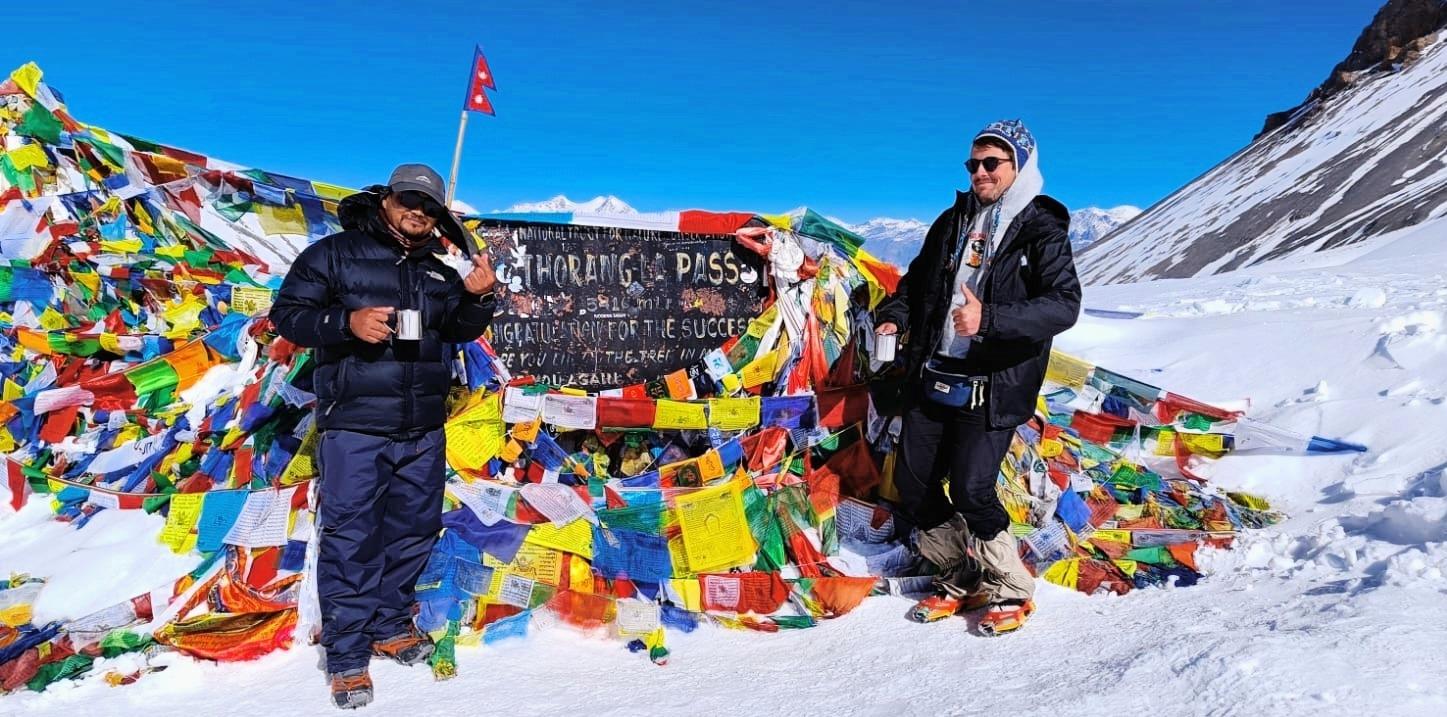
Uncover Hidden Wilderness Together!
Often celebrated as a harmonious union of physical activity and natural exploration become an enriching journey for both body and mind.